
Article
How is the health crisis helping to encourage sustainable tourism?
As the world faces an unprecedented health emergency, tourism is among the hardest-hit sectors. Beyond the economic and social impacts of the crisis, new consumption patterns are emerging, with more local and experience-led tourism.
Beyond the economic and social impacts of this crisis, new consumption patterns are emerging, with more local and experience-led tourism. This trend, however, follows an unprecedented situation and has been created under constraint. To what extent can regions seize on this new trend for sustainable tourism and ensure it grows and endures?
The health crisis: revealing the environmental impact of tourism
In France, the pandemic wiped out more than €60 billion in tourism revenue in 2020. In the Île-de-France region alone, visitor numbers fell to a historic low, down by more than 33 million tourists compared with 2019.
While the economic impacts have been extensively quantified, the positive environmental effects of the slowdown in tourism, a sector responsible for 5% of global greenhouse gas emissions, remain hard to assess.
The health crisis did improve air quality in the Paris region by 20 to 30%, and several instances of biodiversity recovery were observed where water and soil pollution receded once our activities came to a halt. Above all, however, this shows the direct impact we have on biodiversity, and just how unbalanced that relationship is.
In the Mediterranean, 52% of litter is thought to be linked to seaside tourism, according to a WWF report published in 2019. What is more, 80% of the plastic waste in the ocean is carried there by rivers. The Rhône is the main river responsible for marine pollution in the Mediterranean.
In addition, around 100 to 200 tonnes of plastic waste pass through the Seine every year, according to the journal Marine Pollution Bulletin.
More responsible tourism under way in 2021: by choice or by constraint?
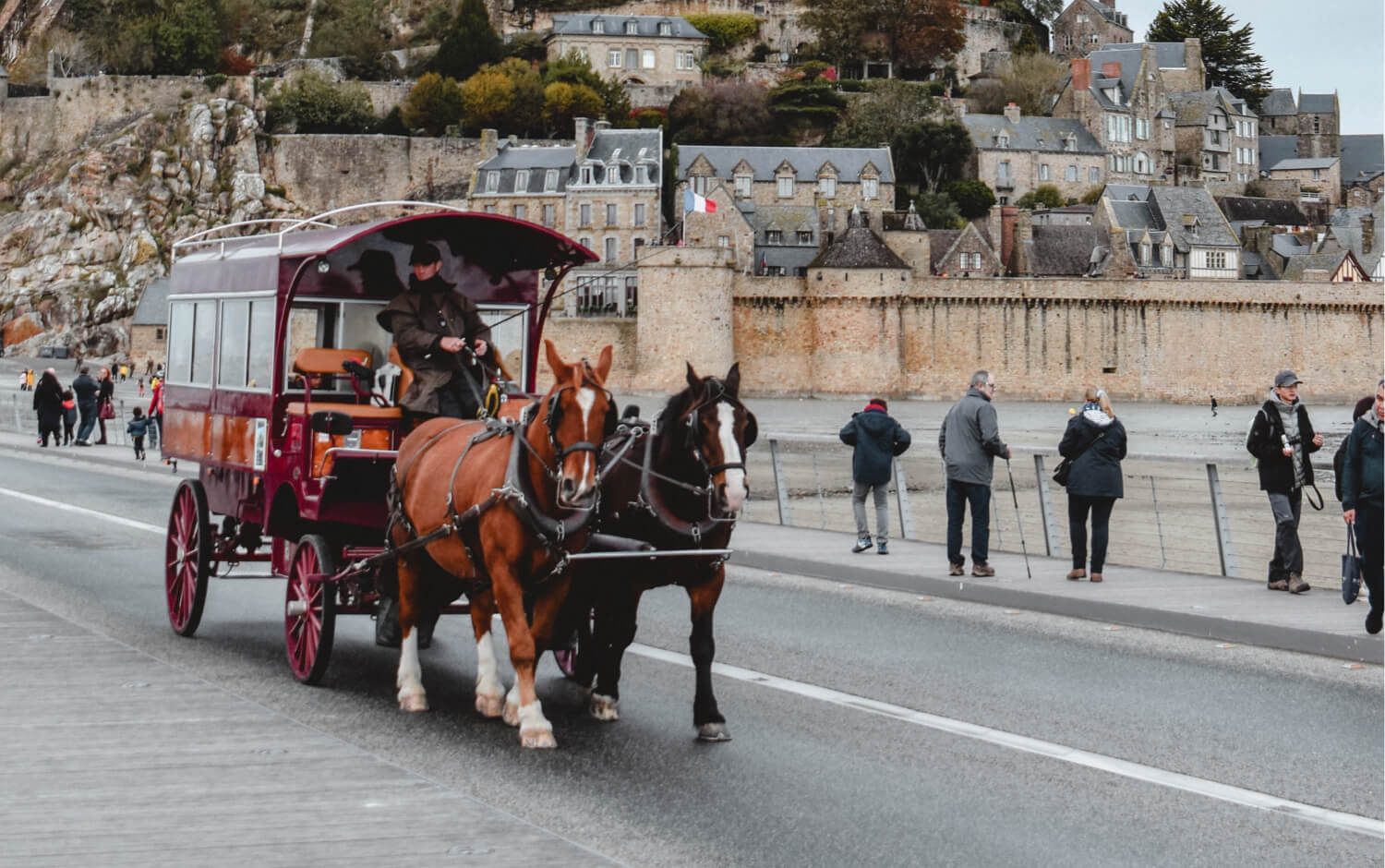
More and more French people are now choosing alternative tourism, also known as slow tourism, in contrast to mass tourism. Centred on the quality of the experience, immersion in the destination and protection of the environment, this movement appeals to areas that see it as a way of showcasing their assets. In 2018, 55% of French people felt it was the responsibility of tourism professionals to help protect the heritage of local cultures.
Several aspects of tourism are being transformed by the slow tourism trend:
- How people travel: with the rise of phenomena such as flygskam, travellers are increasingly turning to low-carbon modes of transport such as trains, bikes and car-sharing
- The relocalisation of tourist destinations: over the past 2 years, consultancy KPMG has observed a "relocalisation of tourism", particularly in regional capitals. French people are increasingly choosing experience over exoticism. The start-up Staycation has turned hotel stays into genuine local experiences, offering a weekend escape close to home
- Ultra-proximity as a new consumption pattern: the concept of the micro-adventure is also taking off, notably with the Chilowé platform, created in 2017, which offers weekends of self-sufficiency in the Gâtinais Nature Park, mountain biking and wild camping in the Yvelines, or canoeing and hiking in the Vexin nature park. The Enlarge Your Paris website also lists numerous micro-adventures and "archivélo" cycle routes to explore around Paris.
These trends were amplified by the health crisis and the travel restrictions that came with it. Once those constraints are lifted, will the trends endure, or even gather pace?
The 4 levers regions have to embed and scale sustainable tourism
Thanks to their knowledge of local economic players and local characteristics, public bodies have a key role to play as catalysts in building an ecosystem that allows sustainable tourism to take root and grow. Four main levers of action are within their reach.
Legislate in favour of sustainable tourism
According to Camille Simon, co-founder of Ecocircular, "legislation and certification are among the main drivers of the transition of hotels and restaurants towards a more sustainable economy." National legislation is an essential lever for pushing economic players to commit to the environmental transition. Local authorities also have a role to play in translating and implementing these new measures. For example, areas across Île-de-France now factor circular economy considerations into their economic development strategies.
Showcase local initiatives
As well as promoting responsible tourism initiatives to travellers, public authorities can support and bring together local players in the sector as they shift to more sustainable models. Initiatives such as We Go Green'R, incubated at the Welcome City Lab, and Ecotable are growing and enabling more and more tourists to make informed choices.
Train economic players in sustainability
Working with the French Ministry for the Ecological Transition, Betterfly Tourisme has chosen to deliver training through certification, developing an environmental label issued alongside an awareness course on the environmental impact of the tourism sector.
Allocate funding to build a sustainable tourism value chain
As shown by the €50 million Sustainable Tourism Fund launched by the French government through the France Relance recovery plan, the environmental transition cannot happen without significant financial support to help economic players invest in training, infrastructure or sustainability certification. The plan aims to make it easier for restaurateurs and accommodation providers to access an environmental assessment and design an action plan.
Conclusion
While the health crisis has brought about unprecedented socio-economic upheaval, it has also accelerated awareness of the environmental and societal issues linked to our consumption patterns. As the tourism sector gradually resumes activity, the crisis has given professionals the chance to step back and work towards a more sustainable post-Covid tourism. This transition will be systemic, drawing closer to local players in order to deliver the proximity consumers now expect. Thanks to their knowledge of the local fabric and its specific features, and their close links with central government, local authorities have a key role to play in catalysing this transition and ensuring the 2020s mark the beginning of sustainable tourism accessible to all.
FAQ
What you need to know about us.
What sets Circul'R apart from a generalist consulting firm?
Circul'R has focused exclusively on the circular economy since its inception. This specialization allows us to develop an expertise in resource dynamics and sector-specific transformations that a generalist firm cannot match.
What types of organizations do you work with?
Circul'R has focused exclusively on the circular economy since its inception. This specialization allows us to develop an expertise in resource dynamics and sector-specific transformations that a generalist firm cannot match.
What is the process for a consulting project with Circul'R?
Circul'R has focused exclusively on the circular economy since its inception. This specialization allows us to develop an expertise in resource dynamics and sector-specific transformations that a generalist firm cannot match.
Do you operate only in France or internationally as well?
Circul'R has focused exclusively on the circular economy since its inception. This specialization allows us to develop an expertise in resource dynamics and sector-specific transformations that a generalist firm cannot match.
How can the circular economy be practically integrated into an existing business strategy?
Circul'R has focused exclusively on the circular economy since its inception. This specialization allows us to develop an expertise in resource dynamics and sector-specific transformations that a generalist firm cannot match.
What is a sector-based coalition and how can I participate?
Circul'R has focused exclusively on the circular economy since its inception. This specialization allows us to develop an expertise in resource dynamics and sector-specific transformations that a generalist firm cannot match.
How do you measure the results of your projects?
Circul'R has focused exclusively on the circular economy since its inception. This specialization allows us to develop an expertise in resource dynamics and sector-specific transformations that a generalist firm cannot match.
What is the average duration of a project?
Circul'R has focused exclusively on the circular economy since its inception. This specialization allows us to develop an expertise in resource dynamics and sector-specific transformations that a generalist firm cannot match.
How do I join the Circul'R Club?
Circul'R has focused exclusively on the circular economy since its inception. This specialization allows us to develop an expertise in resource dynamics and sector-specific transformations that a generalist firm cannot match.